Dietary supplements have become a major part of the fitness, wellness, and nutrition industries. From protein powder and creatine to multivitamins and joint-support supplements, consumers have more choices than ever before. Unfortunately, the growing popularity of supplements has also created plenty of misinformation.
Some people believe that all supplements are unsafe and completely unregulated. Others think protein powder automatically damages the kidneys, a multivitamin can make up for a poor diet, or taking larger doses will always produce better results.
These claims often oversimplify what scientific research actually shows.
So, what are some of the most common supplement myths that need to be debunked?
Consumers should evaluate supplement claims using reliable scientific evidence rather than depending solely on social media posts, advertisements, or personal opinions. Government health agencies, peer-reviewed research, registered dietitians, pharmacists, and other qualified healthcare professionals can provide better guidance when questions arise.
Myth #1: Supplements Are Unsafe and Completely Unregulated
One common myth is that dietary supplements sold in the United States are completely unregulated.
That is not accurate.
The U.S. Food and Drug Administration (FDA) regulates dietary supplements under a different framework from prescription and over-the-counter drugs. Under the Dietary Supplement Health and Education Act of 1994 (DSHEA), manufacturers and distributors are responsible for ensuring that their dietary supplements are properly labeled and meet applicable safety requirements before marketing them.
However, an important distinction exists: the FDA generally does not approve dietary supplements for safety and effectiveness before they are sold in the same way it approves medications. The FDA can take action against adulterated or misbranded supplements after they enter the marketplace.
This distinction matters because saying that supplements are completely unregulated is misleading, but saying that every supplement on store shelves has been FDA-approved would also be incorrect.
Does Protein Powder Damage the Kidneys?
Another common supplement myth claims that drinking protein shakes automatically causes kidney damage.
The evidence is more complicated.
Protein is an essential nutrient that helps support muscle protein synthesis, tissue repair, and recovery. For healthy individuals, consuming appropriate amounts of protein does not mean that a protein shake will automatically cause kidney disease.
However, very high protein intake can affect kidney filtration, and people who already have kidney disease or other medical conditions may need individualized recommendations from a healthcare professional.
The key distinction is between a healthy individual consuming an appropriate amount of protein and someone with an existing medical condition or an excessively high overall protein intake.
Protein powder is simply a convenient way to add protein to the diet. The person’s total daily protein intake, overall diet, health status, medications, and individual needs matter more than whether the protein comes from a shake or whole food.
Myth #2: Supplements Can Replace a Poor Diet 
Another popular misconception is that supplements can compensate for an unhealthy diet.
They cannot.
A person cannot consistently eat a nutrient-poor diet and expect a daily multivitamin to provide everything that whole foods offer.
The National Institutes of Health Office of Dietary Supplements explains that multivitamin and mineral supplements cannot replace the variety of foods needed for a healthy diet. Whole foods provide more than isolated vitamins and minerals. Fruits, vegetables, whole grains, lean proteins, nuts, seeds, dairy products, and other nutrient-dense foods can also provide fiber and many other beneficial compounds.
Supplements may still have a useful role.
For example, some individuals may struggle to obtain adequate amounts of certain nutrients from food alone. Vitamin D is one nutrient that can be difficult for some people to obtain in sufficient amounts. Age, diet, lifestyle, sun exposure, certain health conditions, and other factors can influence nutrient needs.
A healthcare professional may recommend supplementation when a deficiency or increased nutritional need exists.
The best approach is therefore not diet versus supplements.
Instead, a nutrient-dense diet should form the foundation, while supplements may help fill specific nutritional gaps when appropriate.
Looking for Extra Joint and Back Support?
A healthy diet, regular movement, strength training, quality sleep, and proper recovery should form the foundation of a joint-friendly lifestyle. However, some adults may also want additional support as part of their daily wellness routine.
Joint Genesis for Daily Joint Support
For those looking for a dietary supplement designed specifically for joint support, Joint Genesis may be worth exploring. Joint Genesis is marketed as a daily joint-support supplement and features Mobilee®, an ingredient that contains hyaluronic acid and other naturally occurring components.
Rather than viewing a supplement as a replacement for healthy habits, Joint Genesis can be considered an additional option for people who want to support their joints as they stay active and age.
Interested in learning more about Joint Genesis? Readers can review the ingredients, product information, and current purchasing options before deciding whether it fits their wellness goals.
Balmorex Pro for Targeted Back and Joint Comfort
bbb
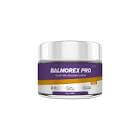
Some people prefer a topical product instead of adding another dietary supplement to their routine. Balmorex Pro is a topical cream marketed for people seeking targeted comfort for areas such as the back, knees, shoulders, hips, hands, and other joints and muscles.
Unlike an oral supplement, a topical cream can be applied directly to the desired area, making it a convenient option for people who want to incorporate targeted support into their daily routine.
Looking for a topical option? Readers can explore Balmorex Pro’s ingredients, directions, and product information to determine whether it is right for them.
Which Option Makes More Sense?
Joint Genesis and Balmorex Pro offer two different approaches. Someone interested in a daily joint-support supplement may want to learn more about Joint Genesis, while someone who prefers a topical product for targeted comfort may be more interested in Balmorex Pro.
Neither option should replace appropriate medical care, especially for severe, persistent, unexplained, or worsening pain. Instead, consumers can compare the products, review their ingredients, and make an informed decision based on their individual needs.
Ready to compare the options? Explore Joint Genesis for daily joint support or Balmorex Pro for targeted topical comfort.
Myth #3: More Supplements Are Always Better
More is definitely not always better when it comes to dietary supplements.
Vitamins and minerals are essential for normal body functions, but consuming excessive amounts of certain nutrients can cause harmful effects.
This is especially important with some fat-soluble vitamins because the body can store them.
Too Much Vitamin A
Vitamin A supports vision, immune function, reproduction, and other important biological processes.
However, excessive amounts of preformed vitamin A can accumulate in the body. Very high doses can cause symptoms such as:
Headaches
Nausea
Dizziness
Blurred vision
Muscle discomfort
Abnormal liver function
Long-term excessive intake can become dangerous, which is why consumers should pay attention to dosage rather than assuming that a higher dose provides greater benefits.
Too Much Vitamin D
Vitamin D plays an important role in calcium absorption and bone health, but excessive supplementation can become toxic.
Too much vitamin D can cause abnormally high calcium levels in the blood. Vitamin D toxicity may lead to nausea, muscle weakness, dehydration, excessive thirst, kidney stones, and other complications. In extreme cases, it can contribute to kidney failure or abnormal heart rhythms.
Vitamin D toxicity typically results from excessive supplementation rather than normal sun exposure.
Too Much Vitamin E
Vitamin E acts as an antioxidant and supports several biological functions.
However, high-dose vitamin E supplementation can increase the risk of bleeding because it can interfere with normal blood clotting. This concern can become especially important for individuals who take certain medications, including anticoagulant or antiplatelet drugs.
Minerals Can Also Be Overconsumed
The “more is better” myth does not apply only to vitamins.
Minerals can also cause problems when consumed in excessive amounts, particularly through concentrated supplements.
For example, excessive potassium can contribute to dangerously high potassium levels in the blood, known as hyperkalemia, especially in people with certain kidney conditions or those taking medications that affect potassium levels.
Excessive calcium intake from supplements can also create problems in certain circumstances. High calcium levels can affect the kidneys and other body systems, while some research has linked supplemental calcium in certain populations with an increased risk of kidney stones.
The important lesson is simple: a nutrient can be essential at an appropriate dose and harmful at an excessive dose.
Myth #4: Creatine Builds Muscle Without Training
Creatine is one of the most widely researched sports supplements, but it is sometimes misunderstood.
Creatine supplementation can support improvements in strength, power, training performance, and lean body mass when combined with an effective resistance-training program.
However, creatine should not be viewed as a substitute for training.
Simply taking creatine does not replace progressive resistance training, sufficient protein intake, adequate calories, sleep, recovery, and consistency.
Research has also found that creatine supplementation did not impair measured kidney function in healthy resistance-trained individuals consuming a higher-protein diet in a controlled study.
People with kidney disease or other medical conditions should still discuss creatine supplementation with a qualified healthcare professional before using it.
Final Thoughts: Research Supplement Claims Before Believing Them
Supplement myths can spread quickly online, especially when complicated nutrition topics are reduced to simple statements such as “supplements are unregulated,” “protein destroys the kidneys,” “a multivitamin fixes a bad diet,” or “more supplements mean better results.”
The evidence tells a more nuanced story.
Dietary supplements are regulated in the United States, although they are not generally FDA-approved before marketing in the same way as medications. Protein supplements do not automatically cause kidney disease in healthy individuals simply because they come in powdered form. Multivitamins can help some people meet nutritional needs, but they cannot replace a balanced, nutrient-dense diet. Finally, taking excessive amounts of vitamins, minerals, protein, or other supplements does not guarantee better results and can sometimes cause harm.
Consumers should focus on evidence, appropriate dosages, overall nutrition, regular exercise, adequate recovery, and realistic expectations.
Most importantly, anyone with a medical condition, nutritional deficiency, persistent joint or muscle pain, or concerns about supplement interactions should speak with a physician, registered dietitian, pharmacist, or another qualified healthcare professional.
Supplements can play a useful role in a healthy lifestyle, but informed decisions should always come before internet hype.
Sources:
U.S. Food and Drug Administration (FDA) — Dietary Supplements and DSHEA.
National Institutes of Health, Office of Dietary Supplements (NIH ODS) — Multivitamin/Mineral Supplements.
NIH Office of Dietary Supplements — Vitamin A and Carotenoids Fact Sheet.
NIH Office of Dietary Supplements — Vitamin D Fact Sheet.
NIH Office of Dietary Supplements — Vitamin E Fact Sheet.
NIH Office of Dietary Supplements — Vitamin and Mineral Supplement Fact Sheets.
Lugaresi R. et al. — Research on long-term creatine supplementation and kidney function in resistance-trained individuals consuming a high-protein diet.
BioDynamix — Joint Genesis product and ingredient information.
Affiliate Disclosure: This article may contain affiliate links. If a reader purchases a product through one of these links, the website may earn a commission at no additional cost to the reader. Product mentions are for informational purposes and should not replace professional medical advice.